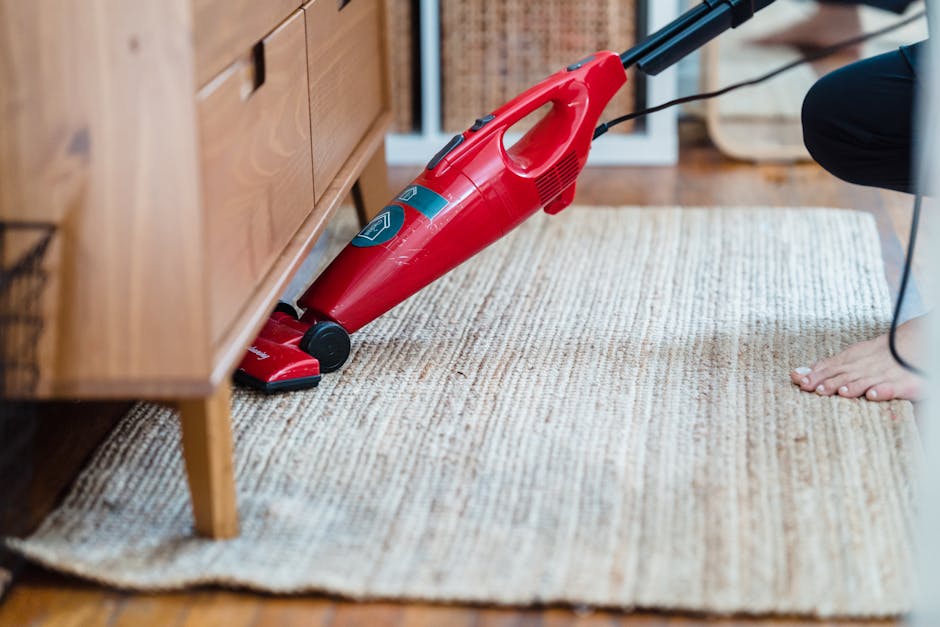
Rug cleaning and stain removal for Broadwalk Centre shops
Rugs in retail units take a beating. One moment they look neat and welcoming; the next, they're holding coffee drips, muddy footprints, tracked-in rainwater, snack spills, and the occasional mystery mark that seems to appear out of nowhere. If you manage or own a shop at Broadwalk Centre, rug cleaning and stain removal is not just a tidy-up job. It affects presentation, hygiene, safety, and the way customers feel the second they step inside.
This guide explains how professional rug cleaning and stain removal for Broadwalk Centre shops works, what to expect, which mistakes to avoid, and how to keep rugs looking smart for longer. We'll also cover practical shop-floor realities: reduced downtime, safer cleaning methods, and when deep cleaning is the better option than another round of spot treatment. If you're trying to keep a retail space sharp without creating disruption, you're in the right place.
Why rug cleaning and stain removal for Broadwalk Centre shops Matters
Retail rugs do more than soften a space. They absorb noise, define walkways, and help a shop feel finished rather than functional. That matters in a centre like Broadwalk, where people are moving quickly, scanning displays, and deciding in seconds whether a business feels trustworthy. A marked or dull rug can quietly undo a lot of good work.
There's also the practical side. Dirt, grit, and liquid spills can work their way deep into fibres, which means a small stain can become a long-term issue if it's ignored. In a busy shop, that often happens because everyone is concentrating on customers, stock, till work, and deliveries. Fair enough. But once staining starts to settle, standard vacuuming is rarely enough.
Rug cleaning is especially important in retail settings because:
- customers notice first impressions almost instantly
- dark foot traffic marks can make a floor look older than it is
- food, drink, and cosmetic spills can spread if treated badly
- persistent odours can build up in enclosed premises
- slip risks increase when residues are left behind
For shops that already invest in polished displays, clean windows, and tidy fixtures, the floor should not be the weak link. If you're already thinking in terms of broader presentation, it can also make sense to look at commercial cleaning support alongside routine rug care, especially where multiple surfaces need attention.
Expert summary: In a retail unit, a rug is part of the customer experience, not just a floor covering. If it looks stained or tired, people notice. If it smells clean and feels well kept, nobody says a word - which is exactly the point.
How rug cleaning and stain removal for Broadwalk Centre shops Works
Professional rug cleaning usually starts with identifying the fibre type, construction, and condition of the rug. That sounds technical, but it's the bit that prevents expensive mistakes. A wool rug, for example, needs a different approach from a synthetic blend. Some dyes are stable. Some are not. Some backings tolerate moisture. Some really don't.
The next step is inspection. Cleaners look at the stain type, how long it has been there, whether it has spread into the pile, and whether there are any existing problems like fraying, colour bleed, or wear patches. A good technician won't just blast the area and hope for the best. That's not cleaning. That's gambling with fabric.
In most cases, the process includes some combination of:
- dry soil removal through careful vacuuming or fibre-safe agitation
- spot testing before any liquid treatment is used
- pre-treatment for stains, grease, or general soil build-up
- targeted stain removal where needed
- deep extraction or low-moisture cleaning depending on the rug
- controlled drying to reduce residue and downtime
For some shop rugs, steam-based or hot-water extraction methods are suitable. For others, especially delicate pieces or those in sensitive retail areas, a lower-moisture approach may be safer. If you are comparing methods, it helps to understand the broader differences between steam carpet cleaning and specialist rug cleaning. The best choice depends on the rug, not just the stain.
Stain removal is often a separate discipline. A tea mark is not treated like grease. Ink is not treated like mud. Pet contamination is not treated like simple surface dirt. That's why experienced cleaners usually carry a range of fibre-safe products and will build the treatment around the exact problem rather than using one universal chemical for everything.
And yes, drying matters more than people expect. A rug that looks clean but stays damp too long can develop odour, wick stains back to the surface, or become a nuisance in a trading environment. Nobody wants that smell of "cleaned yesterday, still not quite dry".
Key Benefits and Practical Advantages
The obvious benefit is a better-looking shop. But the real value runs deeper than appearance. A clean rug helps create a calmer, more professional space, and that can quietly improve how customers move through the shop. They feel more comfortable staying longer. Staff feel like the place is being looked after. It all adds up.
Here are the main advantages of regular rug care in a retail setting:
- Cleaner presentation: a fresh rug lifts the whole room, especially near entrances or tills.
- Better hygiene: rugs can trap fine dust, tracked-in grime, and spill residues.
- Longer material life: removing abrasive dirt helps reduce wear on fibres.
- Improved odour control: dried spillages and foot traffic can create a stale smell over time.
- Reduced risk of permanent staining: prompt treatment often gives you far more options.
- Less disruption later: regular maintenance usually prevents the need for bigger interventions.
There's also a reputational angle. Shops in centres depend on visual consistency. One tired rug near the doorway can make the whole unit feel less cared for. That may sound harsh, but it's true. Customers judge quickly. Staff do too, even if they never say it aloud.
For businesses that want one-off support rather than a fixed schedule, a targeted visit can be a sensible option. In some cases, it fits well alongside one-off cleaning or broader deep cleaning when a unit needs a reset after a busy trading period.
Who This Is For and When It Makes Sense
This service is relevant to a wide range of Broadwalk Centre shops, not just larger stores. Smaller units often have less floor space, but the rugs they use are closer to customer traffic, so stains stand out even more. It's one of those funny retail things: the smaller the space, the faster a little problem becomes a big visual problem.
It makes sense for:
- fashion boutiques with entrance runners or display rugs
- beauty salons using decorative rugs for warmth and style
- cafes or food-adjacent units with floor mats and spill-prone areas
- gift shops and lifestyle stores with feature rugs near seating or tills
- service counters where clients wait and foot traffic is steady
- managed retail units needing regular presentation maintenance
You may also need rug cleaning after a specific event: a product launch, seasonal rush, renovation dust, or a spill that happened during a busy Saturday. Truth be told, those are usually the moments when people finally notice how much the rug has been doing behind the scenes.
If a shop is already dealing with broader maintenance issues, it can be worth pairing rug work with other services such as commercial carpet cleaning or commercial cleaning. That approach can be more efficient than tackling each problem separately.
Step-by-Step Guidance
Here is a practical, shop-friendly way to think about the process. This is the kind of sequence that usually gives the best results without creating unnecessary disruption.
- Identify the rug type. Check whether it is wool, synthetic, blended, handwoven, tufted, or backed with a delicate material.
- Assess the stain. Work out what caused it, how fresh it is, and whether it has already been scrubbed or soaked.
- Vacuum thoroughly. Dry soil removal comes first. If you skip this, loose grit can scratch fibres during wet cleaning.
- Test a hidden area. This is especially important for dyed rugs or anything with uncertain colourfastness.
- Pre-treat the stain. Use the mildest effective method. Let chemistry do the work before you reach for elbow grease.
- Clean the full rug or affected zone. Spot treatment alone can leave a tide mark, so blending matters.
- Rinse or extract residue. Leftover detergent can attract dirt, which is annoying and very avoidable.
- Dry properly. Use airflow, space, and time. Don't rush this bit.
- Inspect after drying. Some stains lighten only once the rug is fully dry. Others reappear and need a second pass.
If you're the shop manager rather than the cleaner, the key question is simple: do you need a quick visible improvement, or do you need a proper restoration attempt? Those are not the same thing. A good contractor will tell you which one is realistic.
A small note from experience: the fastest way to make a stain harder to remove is to keep rewetting it with random products. People mean well. They really do. But the rug usually pays the price.
Expert Tips for Better Results
There are a few habits that make a noticeable difference in retail rug care. None of them are glamorous, but they work.
- Act early. Fresh spills are usually easier to remove than dried or heat-set stains.
- Blot, don't rub. Rubbing can spread the mark and damage fibres.
- Use neutral guidance first. If you do a temporary clean-up, start mild and controlled.
- Keep a stain log. In a retail environment, patterns matter. Repeated marks at the entrance usually point to a layout issue, not just a cleaning issue.
- Protect high-risk zones. Entrance rugs, tills, and waiting areas deserve extra attention.
- Plan cleaning around footfall. Early mornings or quieter trading windows reduce disruption.
If your unit has a regular cleaning contract, ask whether rug maintenance can be built into it. This works well with regular cleaning schedules because it keeps the problem from becoming a deep-clean emergency every few months.
Also, don't underestimate the value of simple housekeeping. A rug that is shaken out, vacuumed, and rotated sensibly will often stay presentable much longer than one that gets ignored until there is an obvious stain. Nothing fancy. Just consistency.
Common Mistakes to Avoid
Most rug damage in shops doesn't happen during a dramatic incident. It happens during well-meaning but clumsy clean-up. Here are the mistakes that cause the most trouble.
- Using too much water: oversaturation can lead to backing damage, slow drying, and wick-back stains.
- Applying one cleaner to everything: different stains need different approaches.
- Scrubbing aggressively: this can fray fibres and make the mark look worse.
- Skipping a test patch: colour loss is a miserable surprise, especially on patterned rugs.
- Ignoring odour: if a spill smells after it looks clean, there is probably still residue underneath.
- Cleaning only the visible spot: isolated treatment can leave a halo or uneven finish.
Another common issue is assuming that all rugs behave like synthetic office mats. They don't. A decorative retail rug might be much more sensitive than it looks. And once dye runs, you can't exactly put it back in the bottle. Bit of a nuisance, that.
If a stain has already been made worse by DIY attempts, professional stain removal is usually more sensible than trying another household product and hoping for the best. Hope is not a cleaning method.
Tools, Resources and Recommendations
For shops that handle day-to-day upkeep in-house, the right tools make life easier. You do not need a warehouse full of kit, just a sensible set of basics and a clear process.
| Tool or resource | Why it helps | Best use |
|---|---|---|
| Quality vacuum cleaner with attachments | Removes dry grit before it gets embedded | Daily or frequent maintenance |
| White cloths or microfibre towels | Helps blot spills without adding colour transfer | Fresh spill response |
| Fibre-safe spot cleaner | Treats light marks without over-wetting | Minor stains and isolated marks |
| Fan or airflow setup | Speeds drying and reduces downtime | After wet cleaning |
| Professional inspection | Helps match treatment to fibre and stain type | Delicate, set-in, or repeated staining |
For a broader shop refresh, some businesses also combine rug work with hard floor cleaning, especially where rugs sit against tile, vinyl, or stone and the contrast is obvious. That can make the whole entrance area feel cleaner without replacing anything.
Where pet-related contamination is a factor in mixed-use spaces or staff areas, specialist treatment may be needed. In those cases, pet stain odour removal is a more suitable route than standard spot cleaning. Different problem, different fix.
Law, Compliance, Standards, or Best Practice
Rug cleaning in retail premises is not usually a heavily regulated speciality in itself, but shops still need to think carefully about health, safety, and practical duty of care. Wet floors, chemical residues, blocked walkways, and poorly dried textiles can create avoidable hazards. That's why best practice matters, even when no one is waving a rulebook at you.
In a commercial environment, sensible practice generally includes:
- using products safely and in line with manufacturer guidance
- keeping walkways protected while cleaning is underway
- reducing slip risk during drying
- storing cleaning materials properly
- making sure staff know what was used on the rug, just in case
Insurance is another sensible consideration. If cleaning work is being carried out on-site, it's worth confirming that the provider has suitable cover and follows a sensible safety process. If you want to understand how that is handled, the page on insurance and safety is a useful place to start. For operational expectations and boundaries, the health and safety policy and terms and conditions also matter.
Environmental handling can matter too. Retailers increasingly want cleaning that avoids unnecessary waste and uses sensible product choices. If that is important to your business, it is worth considering the provider's approach to recycling and sustainability. Not every stain needs a heavy-handed chemical response. In fact, most don't.
Options, Methods, or Comparison Table
If you're deciding how to approach rug cleaning, the right method depends on the rug, the stain, and the amount of disruption your shop can tolerate. Below is a plain-English comparison.
| Method | Best for | Strengths | Limitations |
|---|---|---|---|
| Dry vacuum maintenance | Daily dust and grit removal | Fast, low disruption, keeps fibres healthier | Won't remove stains or deep residues |
| Targeted spot treatment | Fresh, localised spills | Good for quick response and small marks | Can leave rings or residue if overused |
| Low-moisture rug cleaning | Sensitive rugs and busier premises | Faster drying, less risk of saturation | May not suit heavy contamination |
| Hot water extraction / steam-style cleaning | Deeper soiling and tougher contamination | Strong clean on many synthetic rugs | Not suitable for every fibre or backing |
| Specialist stain removal treatment | Ink, grease, food, drink, and problem marks | More precise and tailored | May need testing and patience |
If your shop rug is mainly decorative, gentler methods are often safer. If the rug is functional and takes heavy footfall, a deeper process may be justified. There is no prize for choosing the strongest method available. The goal is the right result, not the loudest equipment.
Case Study or Real-World Example
Here's a realistic example from a retail setting. A shop near a centre entrance had a patterned rug placed just inside the doorway. During wet weather, customers brought in rainwater and grit, and over time the rug developed a dark traffic line across the middle. On one busy afternoon, a takeaway coffee was knocked over as well. Not a disaster, but enough to make the area look tired.
The first attempt was a paper towel and a household spray. That removed the fresh coffee but left the traffic mark untouched. The owner then arranged a proper clean. The rug was inspected, vacuumed, pre-treated for the coffee stain, then cleaned using a method matched to the fibre blend. Drying was managed with airflow to keep downtime short.
What changed?
- The entryway looked brighter immediately.
- The coffee mark was reduced to the point it no longer stood out.
- The rug smelled fresher, which sounds small but really mattered.
- The shop team stopped worrying about the same mark every day.
The useful lesson is simple: if a rug is part of your customer-facing area, a proper clean can reset the whole space. Sometimes that one small fix changes how the unit feels. And yes, customers do notice.
Practical Checklist
Use this checklist before, during, and after rug cleaning in a Broadwalk Centre shop.
- Identify the rug material and backing type
- Check whether the stain is fresh, old, or previously treated
- Vacuum thoroughly before any wet cleaning
- Test products in a hidden area first
- Use the mildest effective cleaning approach
- Keep customers and staff away from wet areas
- Allow enough drying time before reopening the area fully
- Inspect the rug after drying for rings, residue, or reappearing stains
- Record what was used in case the stain returns later
- Plan follow-up maintenance for high-traffic zones
If you want a broader refresh beyond the rug itself, a coordinated clean can also include office cleaning for back-of-house spaces or window cleaning for the storefront. It's often the combination that makes the biggest difference.
Get a free quote today and see how much you can save.
Conclusion
Rug cleaning and stain removal for Broadwalk Centre shops is one of those maintenance tasks that quietly shapes the whole customer experience. Done well, it keeps entrances welcoming, reduces the look of wear, and helps your premises feel cared for without drawing attention to itself. Done badly, or left too long, it becomes one of those nagging little details that customers somehow spot straight away.
The best approach is usually simple: identify the rug properly, treat stains carefully, dry it well, and don't wait until the problem is obvious to everyone else. A little planning goes a long way. So does choosing methods that suit the material rather than just the schedule.
For busy shops, that balance matters. Clean enough to impress, careful enough to protect the rug, and practical enough not to get in the way of trading. That's the sweet spot, really.
Frequently Asked Questions
How often should shop rugs be cleaned?
It depends on footfall, weather exposure, and the type of shop, but high-traffic retail rugs usually benefit from regular maintenance plus deeper cleaning when visible soil or staining starts to build. Entrance rugs often need attention more often than decorative ones.
Can all rug stains be removed?
No, not always. Fresh stains have the best chance, while older marks, dye transfer, and heat-set spills can be much harder. A good cleaner will tell you what is realistic rather than promising miracles. That honesty is worth a lot.
Is steam cleaning safe for every rug?
No. Steam-style or hot-water extraction methods can work well on many synthetic rugs, but delicate fibres, unstable dyes, or sensitive backings may need a lower-moisture or specialist approach. Testing matters.
What should I do immediately after a spill?
Blot the spill with a clean absorbent cloth, avoid rubbing, and keep using fresh cloth sections so you are lifting the liquid rather than spreading it. If possible, limit foot traffic over the area until it can be assessed properly.
Why does a stain sometimes come back after cleaning?
This usually happens because residue or liquid has remained deeper in the fibres or backing. As the rug dries, the stain can wick back to the surface. It's frustrating, but common enough to be worth managing carefully.
Will rug cleaning disrupt my shop trading?
It can be planned to minimise disruption. Many jobs are scheduled for quieter hours, before opening, or during low footfall periods. Drying time is the main thing to manage, so airflow and planning help a lot.
Do I need professional stain removal or can staff handle it?
Small fresh spills can often be handled in-house with care. But if the stain is large, set in, greasy, coloured, or on a delicate rug, professional stain removal is usually the safer option. A wrong product can make the problem worse quickly.
What types of stains are hardest to remove?
Ink, dye transfer, grease, tanning products, food colouring, and older liquid spills can be challenging. Pet-related contamination can also be difficult because it may involve odour as well as visible staining.
How do I keep a shop rug looking clean for longer?
Vacuum regularly, deal with spills quickly, rotate the rug if possible, and avoid over-wetting during spot treatment. A simple routine is often the best long-term solution. Nothing glamorous, just consistent.
Should rug cleaning be part of a broader commercial clean?
Often, yes. If your shop also needs floor, glass, or fabric care, combining services can be more efficient and keeps the whole unit looking coordinated. It's often better than treating each issue in isolation.
Are some rugs too delicate to clean on-site?
Yes. Very delicate, antique, heavily dyed, or structurally weak rugs may need a more cautious approach, and sometimes off-site handling is safer. The right answer depends on the rug's condition, not just its size.
How do I choose between regular maintenance and a one-off clean?
If your rug is only lightly soiled and you are mainly maintaining appearance, a regular plan can make sense. If you are dealing with a visible stain, seasonal buildup, or a shop reset, a one-off deep clean may be the better fit.
What if the rug is near a doorway and keeps getting dirty?
That usually means the rug is doing a hard job. More frequent vacuuming, a better entrance mat strategy, or a more suitable rug material may help. Sometimes the answer is not more cleaning, but smarter placement.